Congratulations to Professor Laura Gagliardi Featured in Women in Energy Exhibit

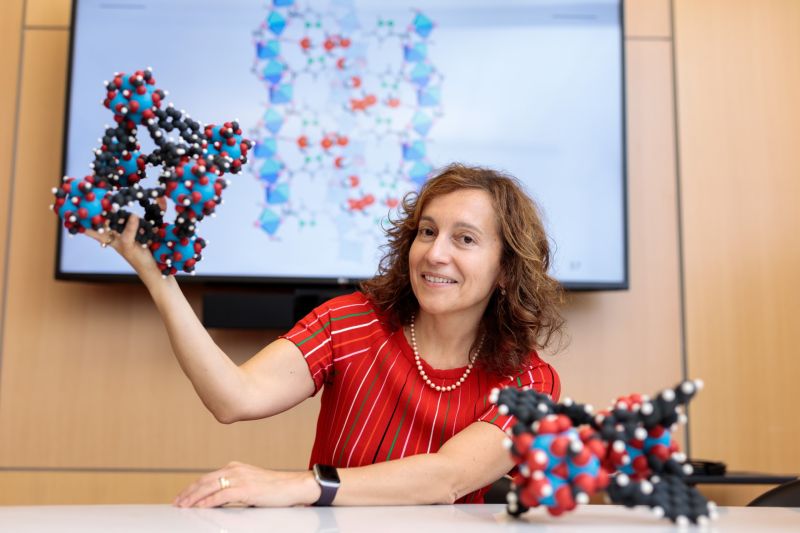
This Women’s History Month, we are thrilled to congratulate Professor Laura Gagliardi for being featured in the Griffin Museum of Science and Industry’s Women in Energy exhibit. The installation celebrates women driving cleaner, more responsible energy solutions—a fitting recognition of Professor Gagliardi’s groundbreaking work. With women representing just 25% of the energy workforce, honoring leaders like her helps inspire the next generation of scientists. Join us in celebrating her achievements and visit the Griffin Museum this March to explore the exhibit!
Breaking Big Chemistry into Smaller Pieces: Embedding Methods for Strong Correlation

We are pleased to announce the publication of our recent Chemical Reviews article:
“Multireference Embedding and Fragmentation Methods for Classical and Quantum Computers: From Model Systems to Realistic Applications.”
This Review presents a comprehensive overview of multireference embedding and fragmentation strategies developed to address strong electronic correlation in molecules and materials. We survey a range of embedding frameworks, with particular emphasis on Density Matrix Embedding Theory (DMET) and Localized Active Space (LAS)–based methods.
The article further examines how classical embedding concepts inform emerging quantum computing strategies, including fragmentation-compatible ansätze and hybrid quantum–classical workflows. Particular attention is given to scalability and the progression from model Hamiltonians to chemically realistic systems, such as transition metal complexes and extended materials.
We hope this Review serves both as a reference for researchers entering the field and as a roadmap for future developments at the interface of multireference electronic structure, embedding methodologies, and quantum computing for chemical systems.
We are grateful to all co-authors for their insightful contributions and collaboration throughout this effort.
The Schrödinger Equation at 100: A Century of Quantum Insight

In 1926, Erwin Schrödinger introduced an equation that would fundamentally reshape our understanding of the microscopic world. One hundred years later, the Schrödinger equation remains the cornerstone of modern chemistry and materials science—powering discoveries that range from molecular design to advanced energy technologies.
To mark this centennial, the American Chemical Society’s news magazine, Chemical & Engineering News (C&EN), published a commemorative feature examining the equation’s profound and lasting influence. Among the experts invited to reflect on its impact is University of Chicago Department of Chemistry Professor Laura Gagliardi, whose work sits at the forefront of theoretical and computational chemistry.
“Today, chemistry without the Schrödinger equation is simply unthinkable,” Gagliardi notes in the feature, underscoring how deeply embedded quantum mechanics has become in the fabric of chemical research.
Over the past century, what began as a bold theoretical framework has evolved into an indispensable predictive tool. From mapping electronic structure to guiding the rational design of catalysts and functional materials, the Schrödinger equation enables scientists to probe chemical systems with extraordinary precision. Now, as artificial intelligence and quantum computing mature, researchers are finding powerful new ways to solve and extend Schrödinger’s original formulation—opening doors to discoveries once thought computationally out of reach.
Professor Gagliardi’s contributions highlight how quantum theory, advanced algorithms, and high-performance computing are converging to accelerate innovation across chemistry and materials science. The centennial is not merely a celebration of a historic equation, but a reminder that its influence continues to expand into new scientific frontiers.
Read the full C&EN feature here: https://shorturl.at/goaaL
Congratulations to Joshua Zhou on Achieving Candidacy
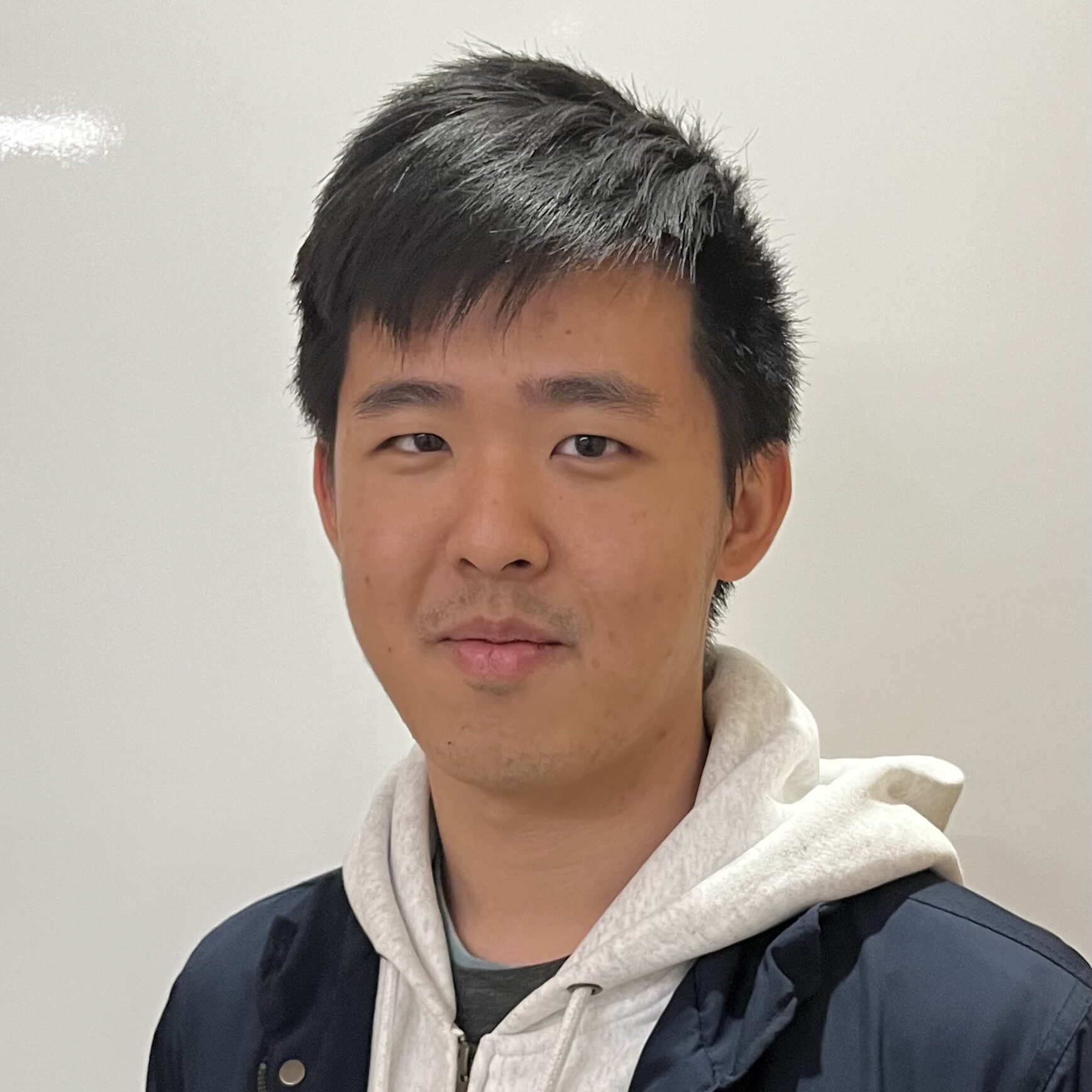
Please join us in celebrating Josh for successfully completing his candidacy exam. This significant milestone reflects his dedication, perseverance, and the hard work he has invested in his research journey.
We look forward to seeing Josh’s continued growth and the impactful contributions he will make in the years ahead!
Welcoming Melanie Burns as Research & Strategy Lead

We are delighted to welcome Melanie Burns as our new Research & Strategy Lead. In this role, Melanie will help advance our new and ongoing research initiatives, drive data sharing to enhance high-impact research, and foster growth through outreach and strategic partnerships.
Melanie holds a PhD from the University of Minnesota and brings a strong background in academic research administration and collaborative science. She has worked extensively with multidisciplinary teams on projects in catalyst design, nanoporous materials, and 3D printing of functional materials.
Welcoming Tim Strang to the Gagliardi Group
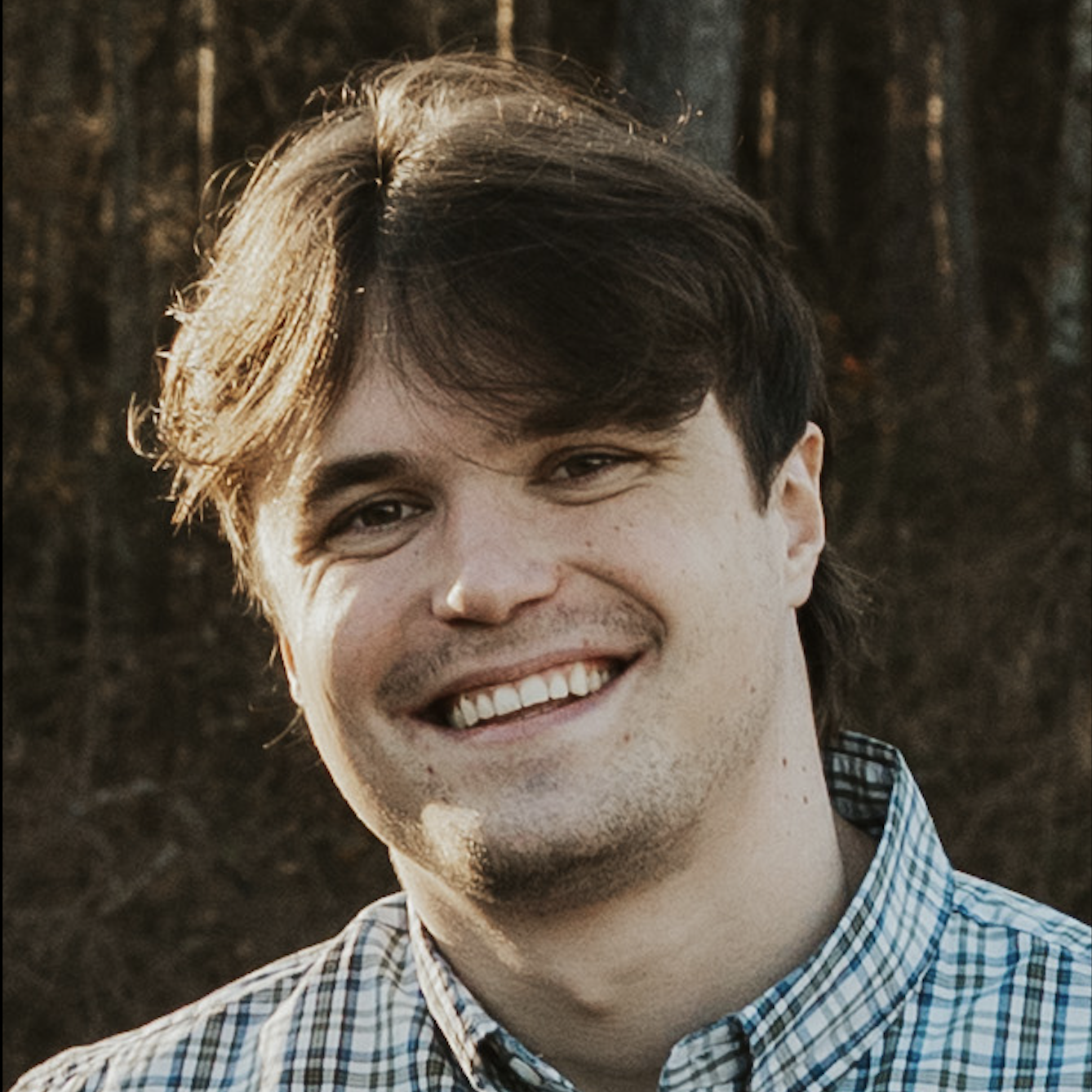
We are excited to welcome Tim Strang to the Gagliardi Group. Tim earned a B.A. in Physics and Mathematics from Dartmouth College in 2022, where he conducted research on machine learning applications to self-consistent field methods with Professor James Whitfield’s quantum information sciences group. He then worked as a data scientist at BlueSky Resources (now part of Waste Management), developing software for methane emissions monitoring in landfills and coal mines. As a graduate student, Tim’s research interests focus on the development of quantum embedding methods, particularly at the intersection of quantum chemistry and machine learning.
Welcome Tim! We look forward to your contributions to the Group’s research!
Congratulations to Joanna Wang, Recognized at 2025 Chicago Quantum Summit
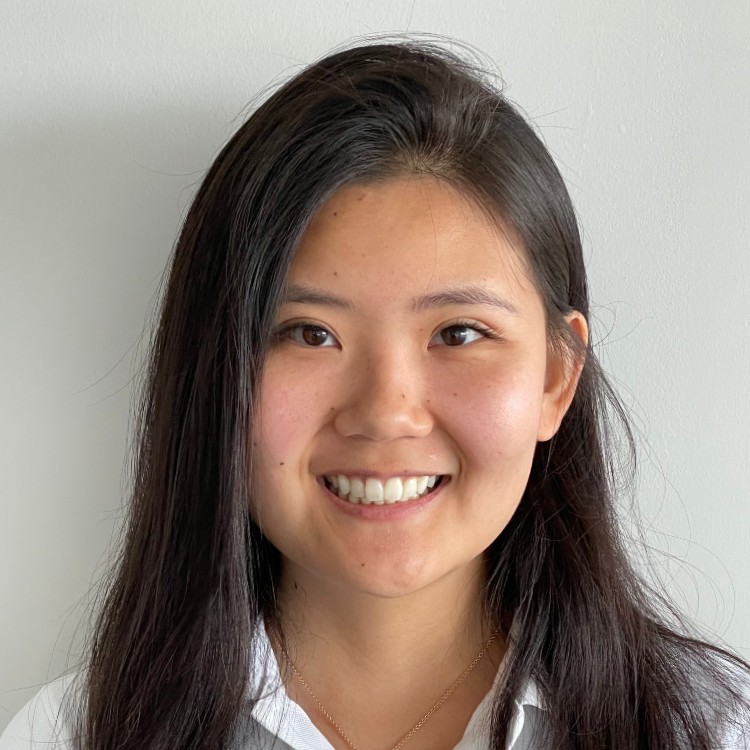
Joanna Wang, a Ph.D. student in the Gagliardi Group, was recognized at the 2025 Chicago Quantum Summit for her outstanding research in quantum computing. She received second-place honors in the research poster competition for her work on sample-based quantum ionization, a method that could significantly improve how future quantum computers model complex chemical systems.
The Summit drew record attendance this year, highlighting Chicago’s growing role as a global quantum hub. Joanna’s work, supported by an IBM grant, explores how hybrid quantum–classical approaches can push beyond the limits of classical algorithms and make quantum technologies more practical and scalable.
Read more in the full article: “UChicago Researchers Recognized at 2025 Chicago Quantum Summit.”
Predictive “Mismatch” Leads to Carbon Capture Breakthrough

Researchers in the Gagliardi Group have uncovered a new strategy for improving materials used in direct air capture of carbon dioxide. The work, published December 21 in the Journal of the American Chemical Society (JACS), was selected as an Editor’s Choice for its scientific impact.
Led by Prof. Laura Gagliardi in collaboration with Nobel laureate Prof. Omar Yaghi (UC Berkeley), the study was carried out by first author Hilal Daglar, a postdoctoral researcher in the Gagliardi Group. By investigating discrepancies between computational predictions and experimental results, the team identified residual water as a key factor limiting CO₂ capture in covalent organic frameworks (COFs).
This insight led to a simple design rule: introducing hydrophobic pore environments during synthesis prevents water retention and improves carbon capture efficiency. The research was conducted within the Center for Advanced Materials for Environmental Solutions (CAMES) and highlights the power of theory–experiment collaboration in materials discovery.
Read the full article here.
Welcoming Jeffrey Tejada to the Gagliardi Group

We are happy to welcome Jeffrey Tejada to the Gagliardi Group as a new graduate student. Jeff joins the group with a strong background in computational chemistry and quantum science, having conducted research at Brown University and through multiple SULI internships. His prior work includes studies of entanglement in the Hubbard model, applications of machine learning to accelerate lattice QCD calculations, and investigations of finite-size effects in Quantum Monte Carlo simulations. He has also been actively involved in undergraduate education in quantum information science and quantum computing.
We are delighted to have Jeff join the group and look forward to his contributions and future research in the Gagliardi Group.
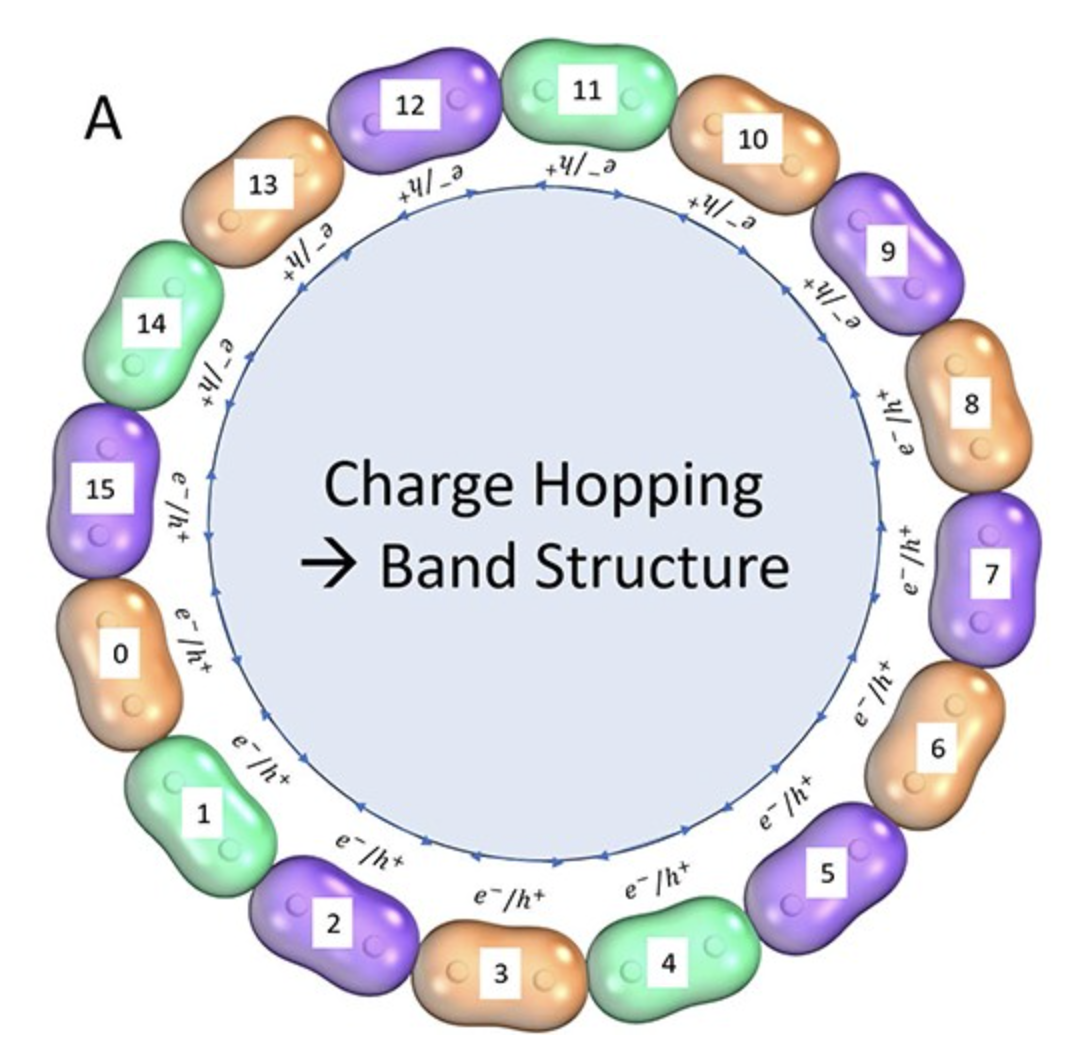
New Quantum Chemistry Method to Unlock Secrets of Advanced Materials
Joanna Wang Receives Honorable Mention in PME Outstanding Teaching Awards
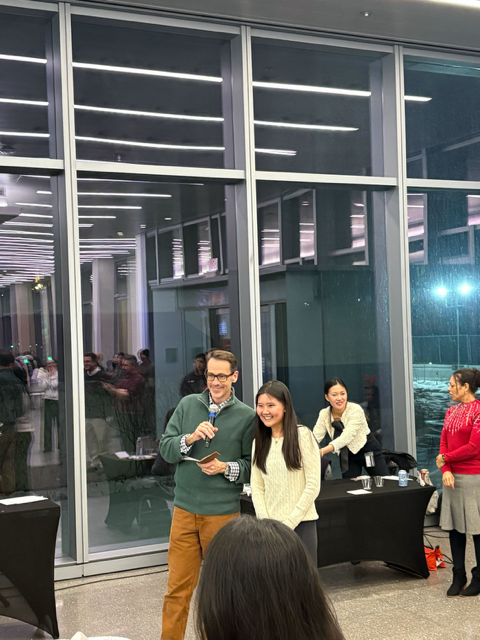
The Pritzker School of Molecular Engineering (PME) at the University of Chicago has recognized Joanna Wang with an Honorable Mention in the 2024–2025 PME Outstanding Teaching Awards. The distinction highlights her exceptional dedication to teaching, mentorship, and support of PME’s academic mission.
According to Senior Instructional Professor and Master of Engineering Program Director Terry D. Johnson, both faculty and students took notice of Joanna’s commitment in the classroom. “Your efforts were noticed and appreciated by faculty and students alike,” Johnson wrote in the announcement. “It is one of my most pleasant duties to recognize that appreciation.”
Awardees were acknowledged during PME’s Holiday Party, where the community gathered to celebrate the accomplishments and contributions of teaching staff across the program.
The honor reflects her hard work, attention to student experience, and dedication to supporting the university’s teaching mission. Her recognition serves as an inspiring example of the impact that thoughtful, student-centered teaching can have within the academic community.
Congratulations, Joanna!
Congratulations to Shreya Verma, Winner of the PCCP Poster Award at TCS-2025
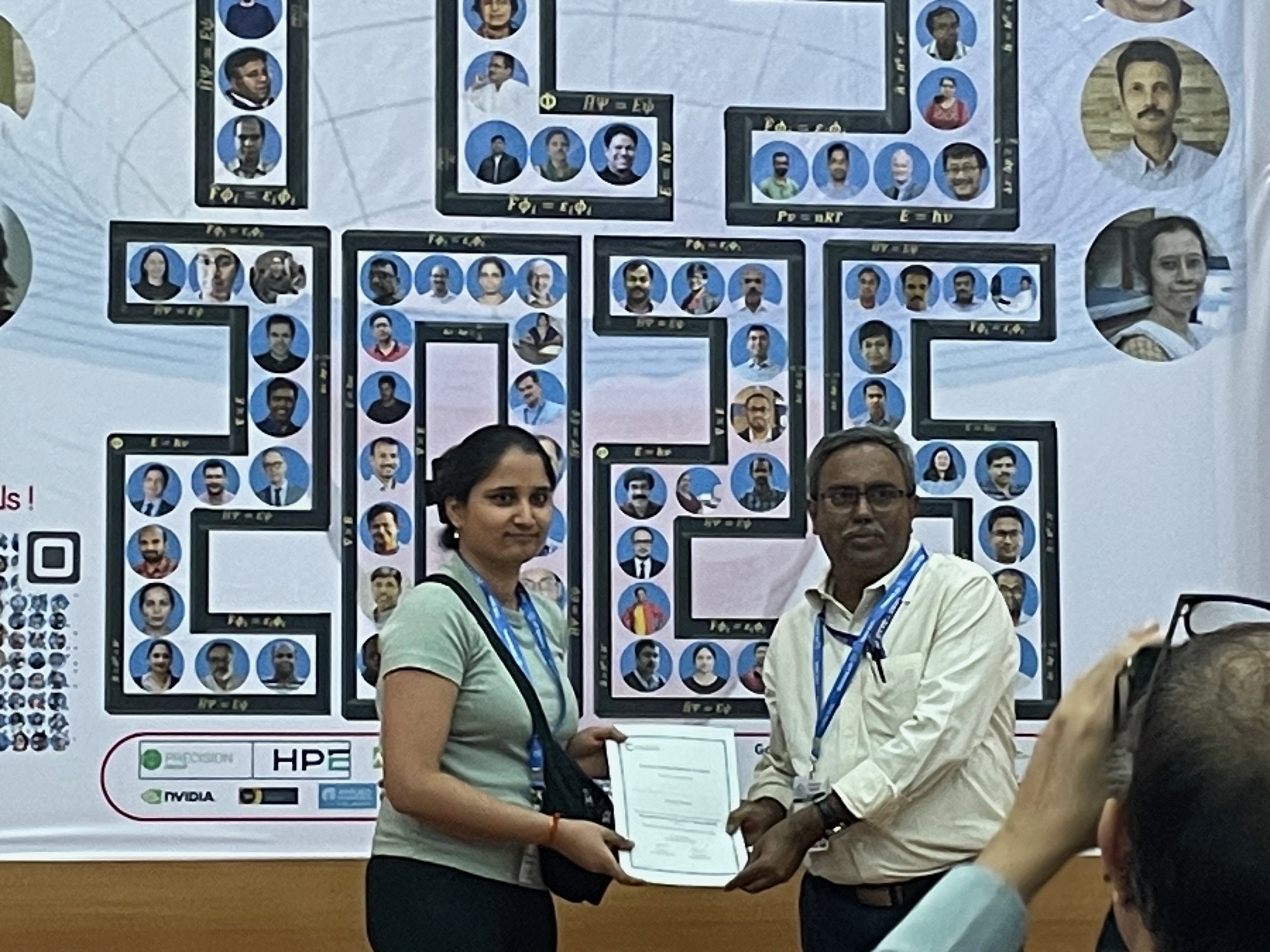
We are delighted to share that Shreya Verma has been awarded the Poster Presentation Award by Physical Chemistry Chemical Physics (PCCP) at the Theoretical Chemistry Symposium (TCS) 2025, held at IIT Bombay from 2–5 December, 2025. Her poster, titled “Polynomial Scaling Localized Active Space Unitary Selective Coupled Cluster Singles and Doubles”, was recognized for its quality, clarity, and innovative spirit.
This recognition celebrates the excellence of her research, and Shreya’s work continues to exemplify outstanding contributions in theoretical and computational chemistry.
A big congratulations to Shreya for this well-deserved achievement! Wishing her many more milestones ahead.
Gagliardi Group Celebrates the Holiday Season with a Fun Dinner Gathering
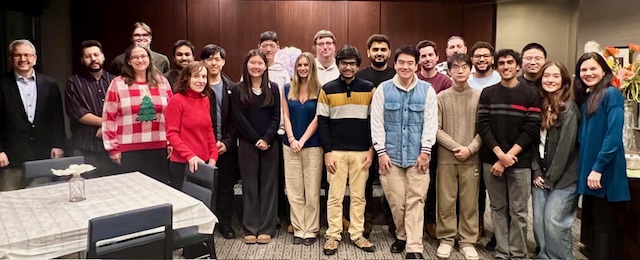
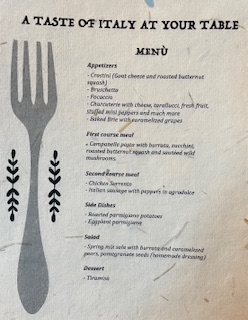
The Gagliardi Group came together in high spirits for a lively and memorable holiday celebration, embracing the excitement and joy that define this festive time of year. This year’s event featured a catered dinner showcasing A Taste of Italy at Your Table menu, along with a spirited Secret Santa gift exchange that kept everyone laughing and engaged.
The night was all about enjoying each other’s company: sharing stories, discovering the surprises behind each gift, and simply having a great time together. With plenty of fun moments and a fantastic meal, the gathering offered a chance for everyone to unwind and connect in a relaxed, upbeat setting.
Looking ahead, the Gagliardi Group is energized by the momentum of 2025 and the strong sense of teamwork that continues to grow within the group. Celebrations like this highlight the importance of coming together, appreciating one another, and carrying that positive spirit into the year to come.
Here’s to a wonderful holiday season and a bright year ahead!
Daniel King Advances Quantum Chemistry with New AI Breakthrough
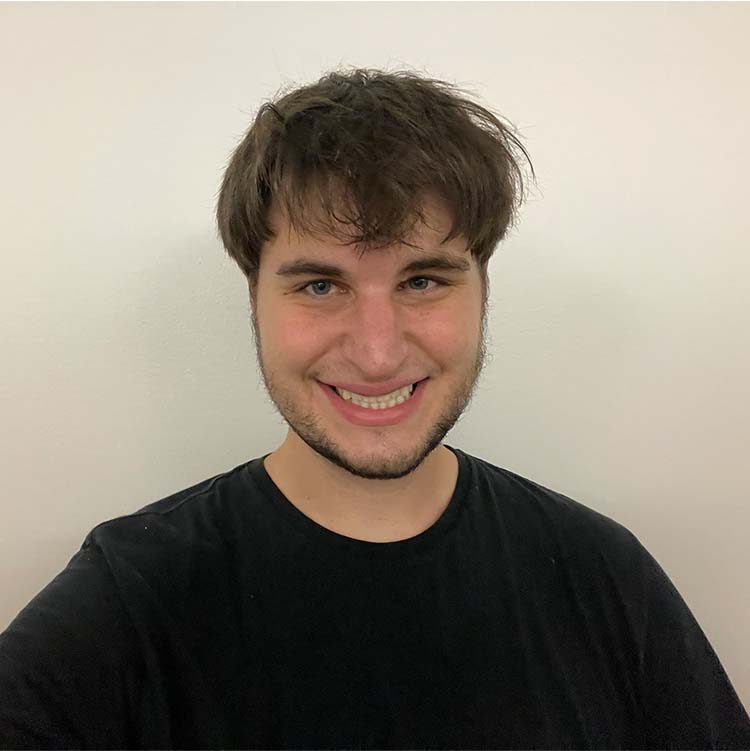
Exciting progress from Daniel King, whose work with the Gagliardi Group and collaborators has led to the development of CEONet, a new AI method that predicts properties of quantum orbitals with unprecedented speed and physical intuition.
By building physics directly into the model, Daniel has tackled one of the core challenges of orbital analysis—the parity problem—opening the door to faster, more automated interpretation of electronic structure and accelerating advanced quantum chemistry methods.
A major step forward for computational chemistry and a great example of Daniel’s innovative approach to bridging AI and quantum science.
Read the article: New AI Method Predicts Properties of Quantum Orbitals with Intuitive Speed
Shaping the Future of Materials: Prof. Laura Gagliardi and UChicago’s Reticular Revolution
We are pleased to share a comprehensive new article showcasing the University of Chicago’s pioneering contributions to the rapidly evolving field of reticular chemistry. The piece highlights how Metal-Organic Frameworks (MOFs) and related materials are moving from serendipitous discovery to true atomic-level design—an inflection point now recognized globally following the 2025 Nobel Prize in Chemistry.
At the center of this movement is Professor Laura Gagliardi, whose theoretical and computational leadership is shaping the next generation of materials for sustainable energy and environmental impact. Her collaborations with Nobel Laureate Omar Yaghi and her direction of the DOE-funded Energy Frontier Research Center (EFRC) demonstrate how computation, synthetic chemistry, and artificial intelligence can work in tandem to accelerate breakthroughs—from more efficient atmospheric water harvesting to predictive catalyst discovery.
The article also highlights the broader UChicago ecosystem advancing the MOF frontier:
– John Anderson’s conductive, magnetic, and spintronic MOFs
– Wenbin Lin’s nanomedicine platforms for targeted cancer therapy
– Jiwoong Park’s wafer-scale MOF and COF integration for next-generation electronics
– Dmitri Talapin and Paul Alivisatos’s foundational methods for building functional nanoscale components
Together, their work illustrates how UChicago researchers are expanding the impact of MOFs across energy, medicine, catalysis, and advanced computing—while defining the future of rational materials design.
Read the full story:
“The Reticular Revolution: UChicago Chemists Move from Discovery to Design with Metal-Organic Frameworks.”
A Warm Welcome to Our New Postdocs: Dr. Eun Mi Kim and Dr. Arpan Choudhury
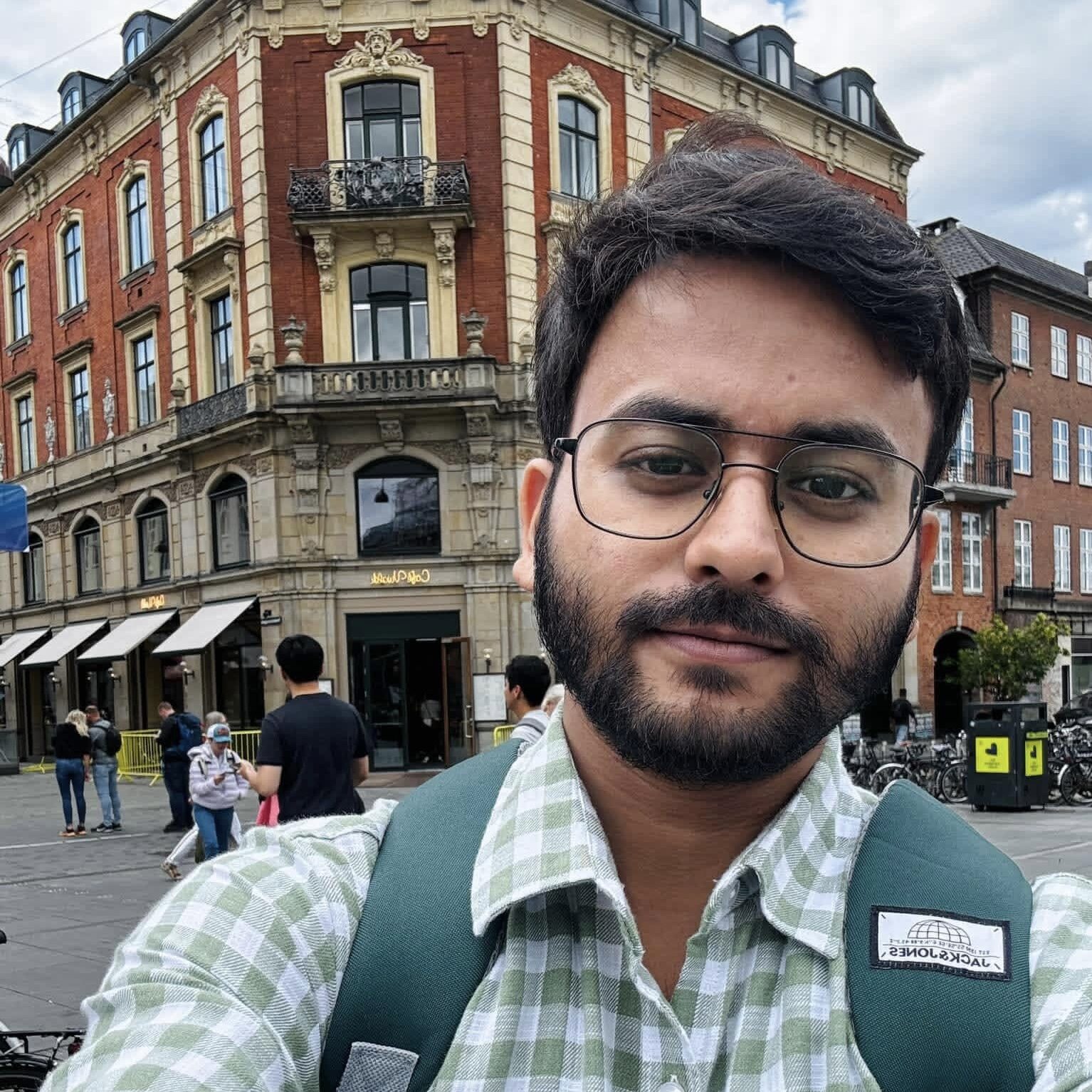
We are excited to welcome Dr. Eun Mi Kim and Dr. Arpan Choudhury as the newest postdoctoral researchers joining the Gagliardi Group.
Eun Mi recently completed her Ph.D. in Chemical Engineering at Penn State University, where her work integrated advanced computational methods with molecular-scale design. She also earned an M.S. in Chemistry (2019) and a B.S. in Chemical Engineering (2017) from the Ulsan National Institute of Science and Technology (UNIST), reflecting her strong interdisciplinary training across chemistry and engineering.
Arpan joins us after completing his Ph.D. in Theoretical and Computational Chemistry at the Indian Association for the Cultivation of Science, where he focused on developing and applying electronic structure methods. His academic background includes an M.Sc. in Chemistry from the University of Hyderabad (2018) and a B.Sc. in Chemistry from the University of Calcutta (2016), marking a steady progression toward expertise in theoretical chemistry.
Both Eun Mi and Arpan bring deep computational experience, diverse scientific perspectives, and enthusiasm for tackling challenging problems in chemical research. We are thrilled to have them on board and look forward to the contributions they will make to our community.
Welcoming Yi Deng to the Gagliardi Group

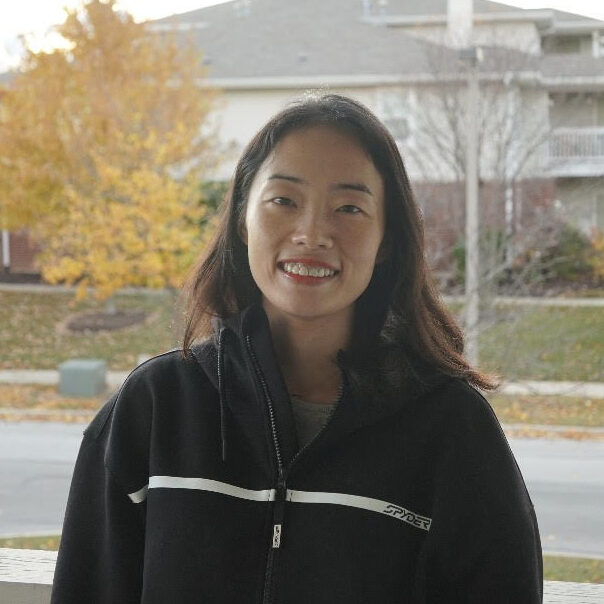
We are delighted to welcome Yi Deng to the Gagliardi Group!
Yi recently earned his B.S. in Chemistry from Peking University (2025). During his time there, he worked with Prof. Chen Li on the analytic structure of wave functions, uncovering a factorized form of the ground state and developing a ladder-operator approach for excited states using supersymmetric quantum mechanics.
Welcome Yi—we are thrilled to have you on board!
Joanna Wang Wins Poster Award at the Chicago Quantum Summit
We are thrilled to share that Joanna (Qiaohong) Wang received second place overall in the poster competition at the eighth annual Chicago Quantum Summit. Her poster, “Sample-based quantum diagonalization as parallel fragment solvers for the localized active space self-consistent field method,” was recognized among 76 participants from 12 Midwestern institutions.
Congratulations, Joanna, and kudos to all the winners and participants for advancing quantum research in the Midwest!
Read more from the Chicago Quantum Exchange: Five researchers recognized with poster awards at eighth annual Chicago Quantum Summit
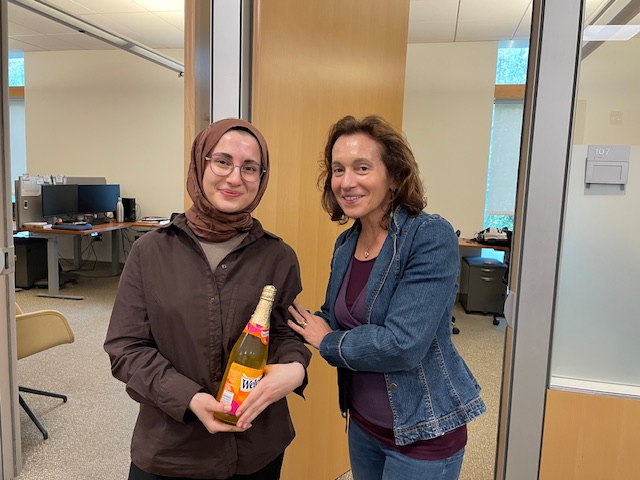
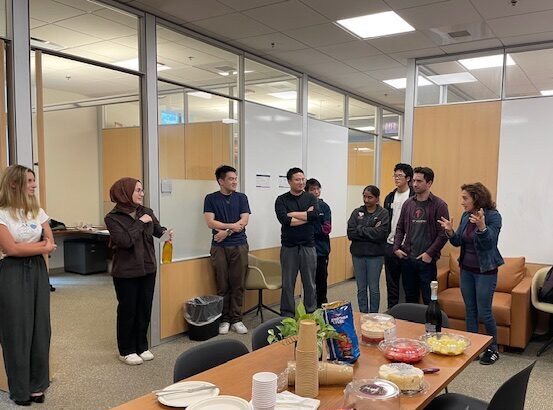
Congratulations and Farewell to Dr. Hilal Daglar
We are delighted to share that Dr. Hilal Daglar will be joining UL Research Institutes as she embarks on the next chapter of her professional journey. This new role is a testament to Hilal’s dedication, expertise, and the enthusiasm she has brought to her research and collaborations during her time with us.
We recently came together to celebrate Hilal’s accomplishments and to wish her well in this exciting new endeavor. It was a moving occasion, an opportunity to reflect on her many contributions, her thoughtful approach to science, and the positive spirit she brought to every project and discussion.
Hilal’s transition to UL Research Institutes marks a wonderful step forward, and while we will greatly miss her presence and insight, we are eager to see the impact she will continue to make in her new role.
Congratulations, Hilal! Best of luck as you take on this exciting next adventure!
Kudos to Helen and Younghwan on Passing Their Candidacy Exams
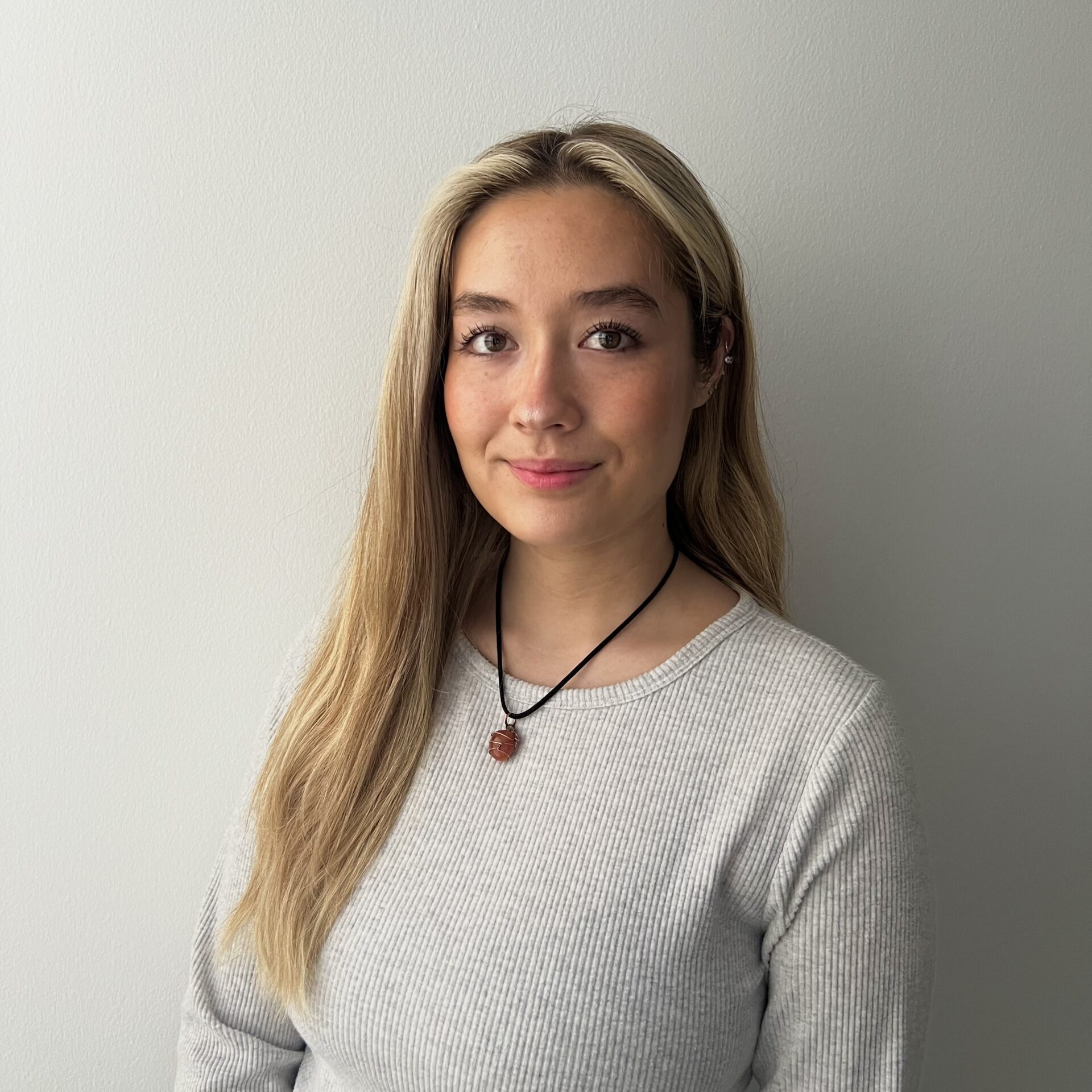
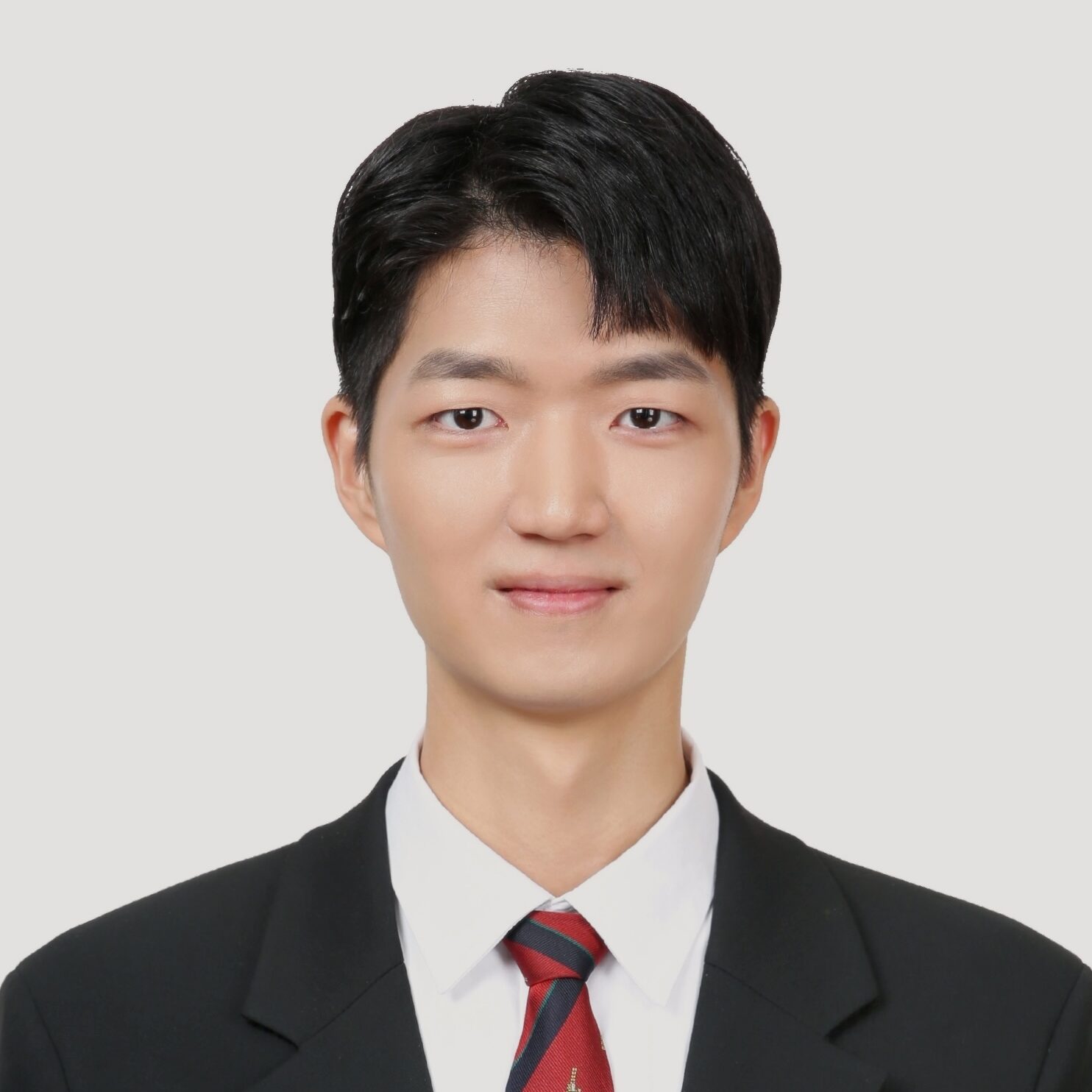
We are thrilled to congratulate Helen and Younghwan on successfully passing their candidacy exams. Their commitment and effort have led to this well-earned achievement.
Best wishes to both as they continue making great strides in their research!
Gagliardi Group Retreat 2025: Innovation Meets Adventure at Timber Ridge Lodge
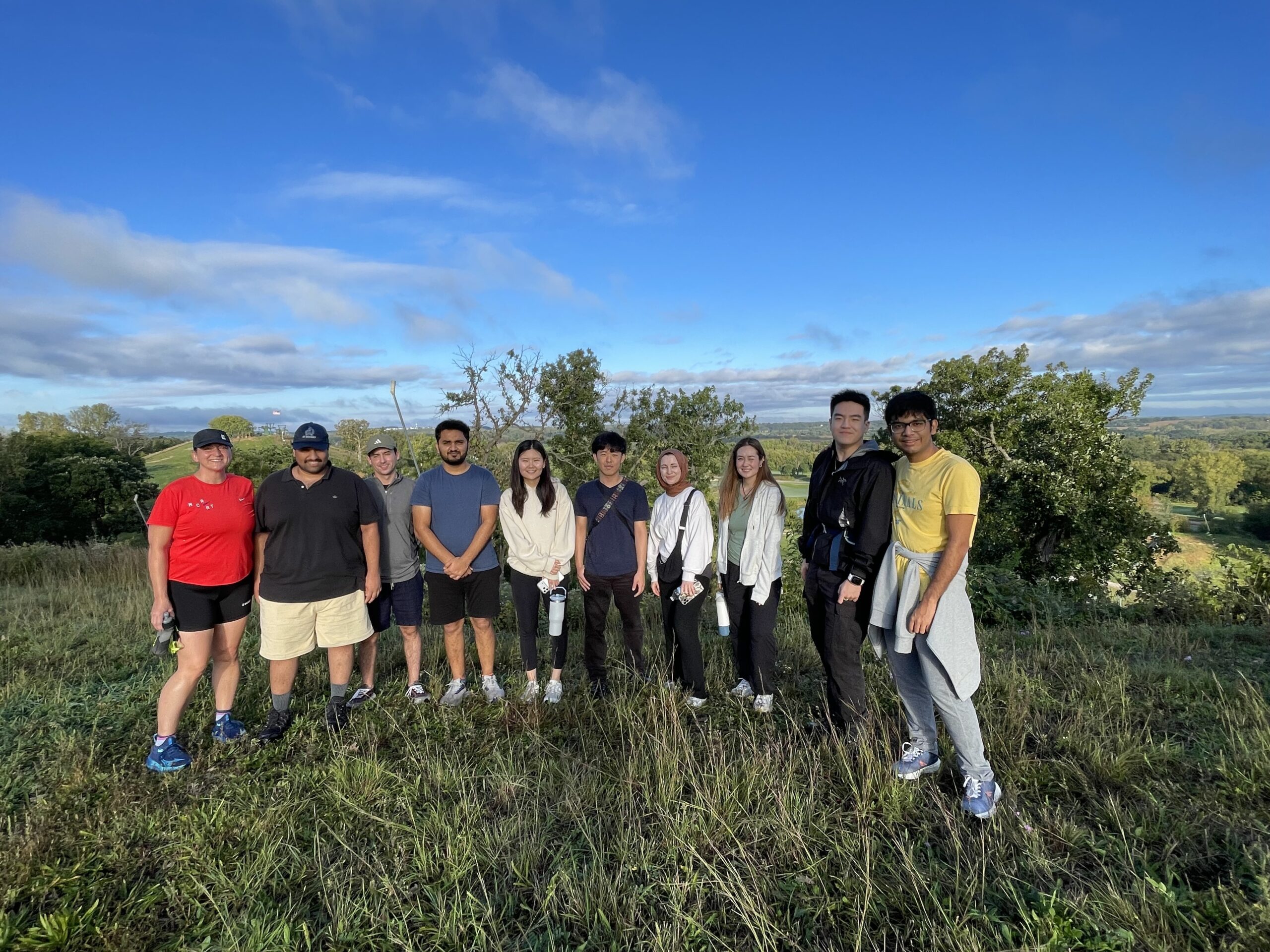
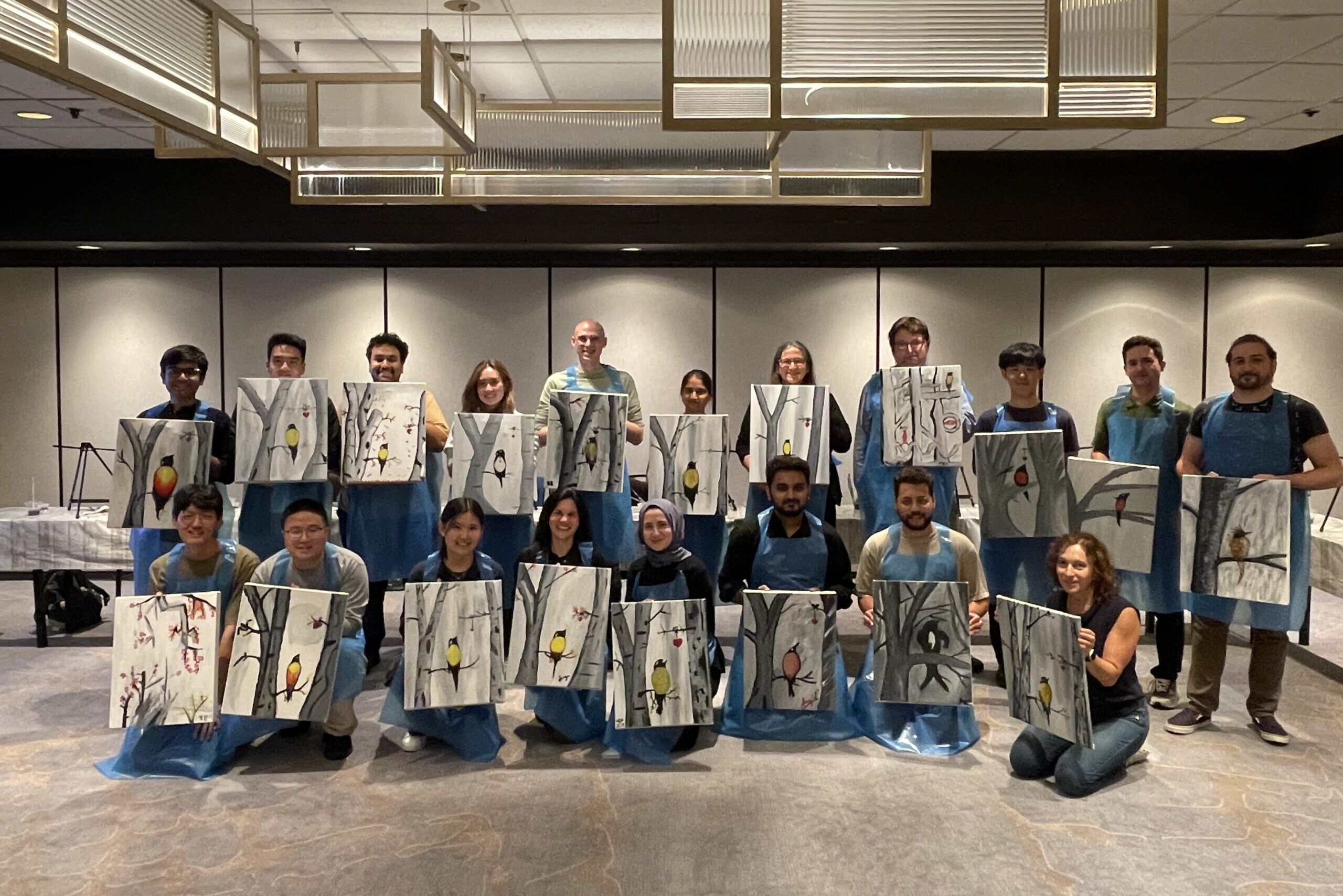
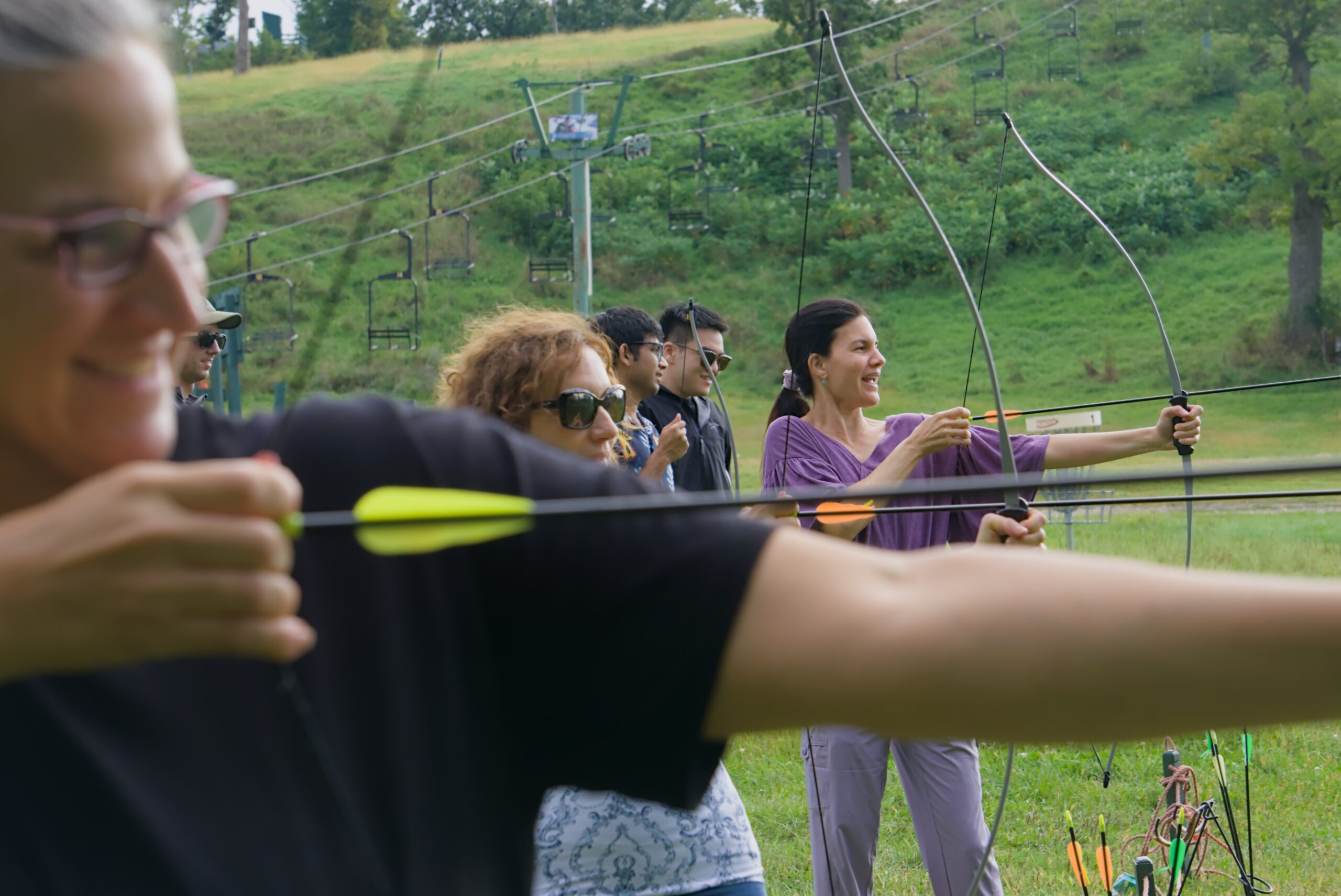
This year, the Gagliardi Group gathered at Timber Ridge Lodge in Lake Geneva, Wisconsin, for a retreat bursting with energy, fresh ideas, and nonstop fun. We dove into big-picture brainstorming, sparked new collaborations, exchanged bold ideas, and leveled up with hands-on Machine Learning training that pushed our skills to the next level.
And when it was time to recharge? We went all in—painting masterpieces, testing our aim in archery, hiking scenic trails, splashing into the pool, and unwinding at the spa.
From laughter and creativity to breakthroughs and bold plans, this retreat was the ultimate mix of innovation and play. We left inspired, connected, and more excited than ever for the year ahead!

New Workflow Enables Multireference-Quality Machine-Learned Potentials for Molecular Simulations

Celebrating the 2025 SURF-CAMES Fellows
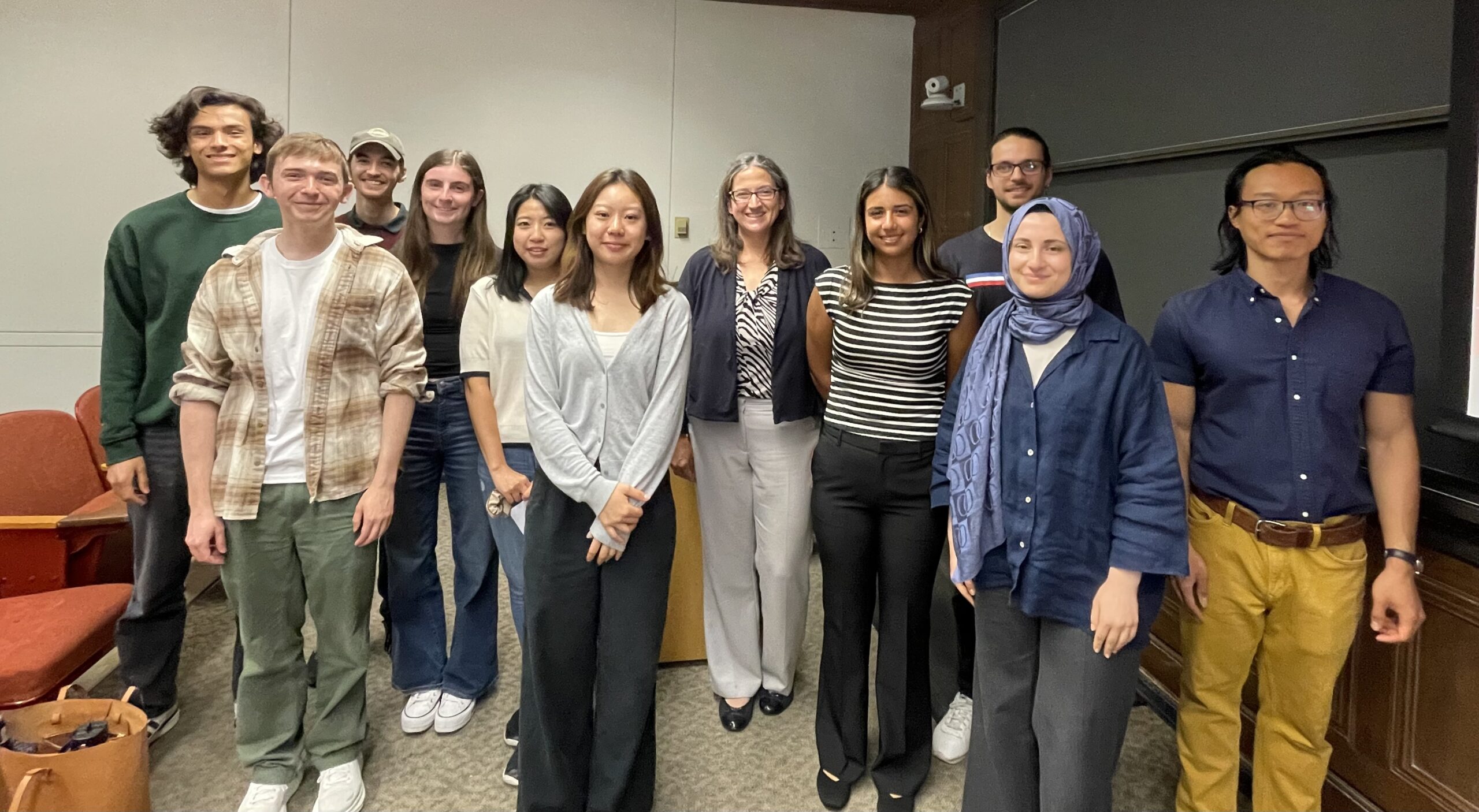
We’re thrilled to celebrate the success of the 2025 Summer Undergraduate Research Fellowship in Catalysts and Advanced Materials for Environmental Solutions (SURF-CAMES) symposium!
This year’s fellows — Azeem Currah (Anderson group), Eva Devlin (Wuttig group), Caroline Hou (Wuttig group), Maya Martinez (Gagliardi group), Srimaye Peddinti (Anderson group), and Ashok Tate (Wuttig group) — shared their outstanding research with the community, marking an exciting conclusion to the first year of this summer program.
A special thank you to their mentors, who supported and guided these talented students throughout the summer — and joined them in the celebration (pictured).
We’re incredibly proud of our SURF-CAMES fellows and look forward to seeing their continued growth and contributions to science.
Adam Fouda and Aniruddha Seal Publish Their First Papers
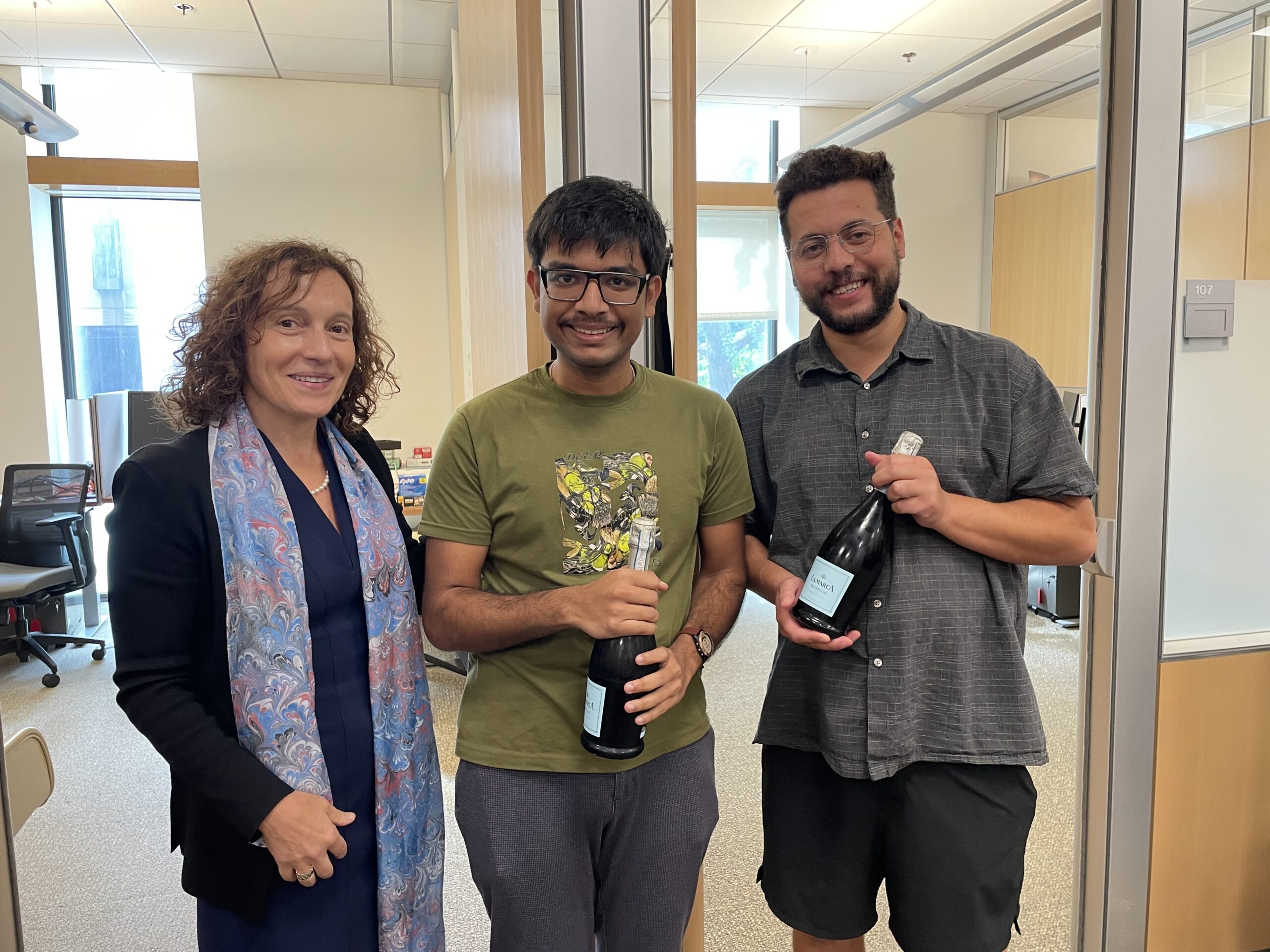
The Gagliardi Group recently came together to celebrate an exciting milestone: the first papers by Aniruddha Seal and Adam Fouda.
We are so proud of their hard work and dedication to advancing research in our field. This achievement is a testament to their perseverance and the collaborative spirit of our group.
Congratulations, Adam and Aniruddha — the first of many to come!
Welcoming Dr. Liping Liu to the Gagliardi Group
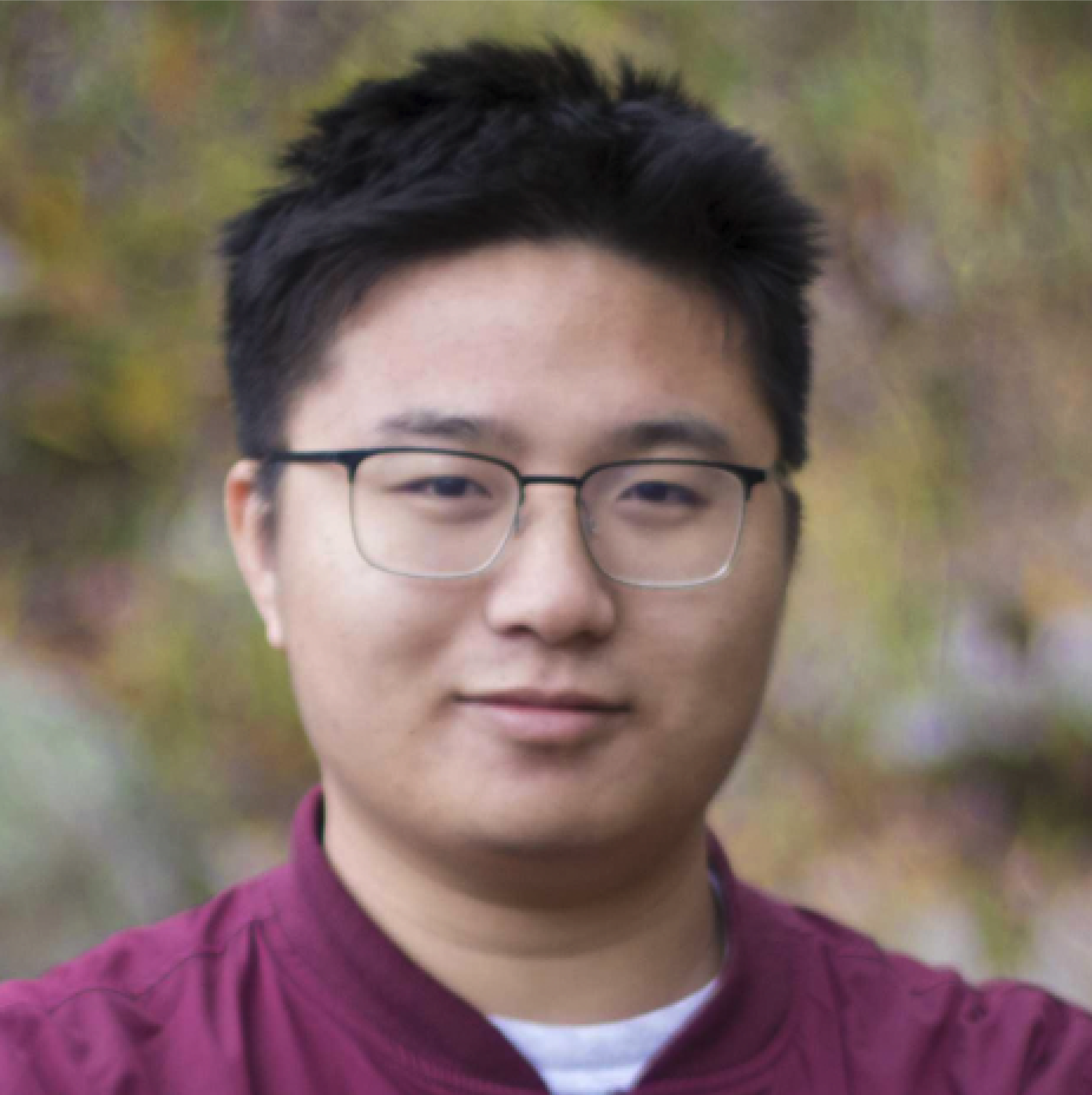
Liping Liu earned his Ph.D. in Chemical Engineering from Virginia Tech in 2025, where he was recognized with the Outstanding Graduate Research Award. He completed his Bachelor of Engineering in Chemical Engineering at Xi’an Jiaotong University in 2018, graduating as an Outstanding Graduate and receiving the Outstanding Undergraduate Thesis Award.
Liping brings valuable research experience from his internship at Lawrence Berkeley National Laboratory (LBNL), where he worked with Dr. Jin Qian, as well as numerous distinctions, including the Richard J. Kokes Travel Award (NAM29, 2025), CRE Travel Award (AIChE Annual Conference, 2024), CATL ChemCatBio Travel Award (ACS Fall Meeting, 2023), and Co-first Student Poster Award (SECS 2022 Annual Symposium).
We are thrilled to welcome Liping and look forward to the expertise and innovative perspective he will contribute to the Gagliardi Group!